



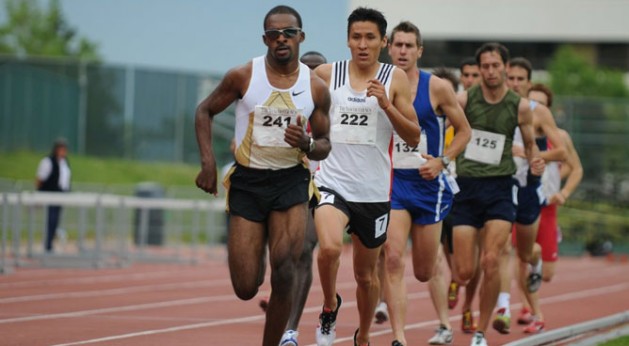
For elite athletics athletes, the low season is more than a break in competition. It is an opportunity to emphasize, physically, mentally and emotionally. After months of exhausting training and high -risk meetings, the step back becomes essential. But that does not mean turning off. Most athletes use this period to rest strategically, explore interests out of sport and return stronger when you arrive next season.
Online games as mental restart
A surprising way that athletes relax the inactivity time? Online games. With competitive platforms and immersive multiplayer options, it has become a way out to decompress while keeping the emotion alive.
Games like Call of Duty, FIFA and Fortnite let the athletics stars stay strong without physical tension. It is also social, many session to play with teammates, rivals or friends worldwide. That connection is important, especially the doors outside the sheets when the schedules are more loose and the division of the training group.
Some even relax with online casinos, enjoying the combination of strategy, focus and a different type of mental challenge. The upper part UK Retreat Kingdom Retirement Casinos Players can access are an excellent way for athletes to relax, thanks to fast payments and how easy they are to enter. These sites are full of a lot of different games, so there is something exciting for all tastes, and users can also benefit from all kinds of exciting advantages such as welcome bonds, free turns and cash return sacrifices to keep the issues interesting. It is a simple way for athletes to stay connected, keep their competitive edge and restart their minds, all without stepping on the track.
Travel and time away from track
The low season is the only window when the trip can occur freely. Many athletes use this time to Explore new places to recharge Or reconnect with their loved ones. For example, sprinters based in the United States or Europe can return home in Jamaica, Kenia or Nigeria for a few weeks. Others go to coastal places or mountain withdrawals to enjoy the landscape and get away from the track that was completed.
This routine break plays an important role in mental recovery. Leaving the stopwatch, diet plans and force sessions behind allow the body to breathe. In interviews, athletes to talk about how Getting Away helps them become motivated and more concentrated.
Light transverse training and active recovery
Fully abandoning movement is not common. Most continuous athletics athletes with light activity to stay mobile and maintain their physical reference condition, but is far from their routine in the season.
Some change to swimming, cycling or hiking, activities that reduce the impact but still maintain heart rate. Yoga and Pilates are also common for flexibility and body awareness, Offering benefits for your body, mind and soul. The goal is to move without stress. No interval divisions. No pressure. This balance helps prevent exhaustion and ensures that, when formal training resumes, the transition is not too abrupt.
Creative hobbies and sale
Duration The competitive season, free time is limited. The low season allows athletes to collect creative projects that have had to send, whether they learn a musical instrument, take photography, paint or even cook.
These hobbies are not just distractions; They play a role in general performance. Taking time for expressiveness or dominating a new skill can support mental clarity and emotional balance, which in turn improves the approach once the training intensifies again.
Some athletes also immerse themselves in academic or professional development. Online courses or part -time studies give them a sense of purpose beyond sport, something that many have described as a base.
Recovery, sleep and nutrition settings
One of the greatest The benefits of the low season are better to sleep. Without early sessions in the morning or constant trips, athletes can return to more regular and deep sleep cycles. The recovery becomes the priority.
Many also slightly change their nutrition plans. While they are still healthy dining rooms, there is more flexibility during this period, space for favorite meals, sweets or cultural dishes that is not always allowed the high season.
Sports physiotherapists and massage therapists also play a role here. Out -season quotations are less intense and more restorative, focusing on healing minor discomfort or improving long -term mobility.
Building the mental frame for next season
The low season is when many athletics athletes reflect on last year, what worked, which did not do it and how to adjust. Sports psychologists to recommend establishing low pressure objectives or using visualization techniques duration of this period.
By mentally rehearsing the careers, refining trust or even the newspaper about setbacks and victories, athletes can enter next season with a clearer and more composite mentality. It is about moving from the strategic fashion survival fashion.
Conclusion
Track and Field is not just about routine. What happens when the peaks come out is equally important. From games and trips to recovery and hobbies, out -of -season routines offer information about how athletes care about being complete, not only the body that crosses the finish line. For many, the thesis a few months freely silently the performances on the stage that follow.