



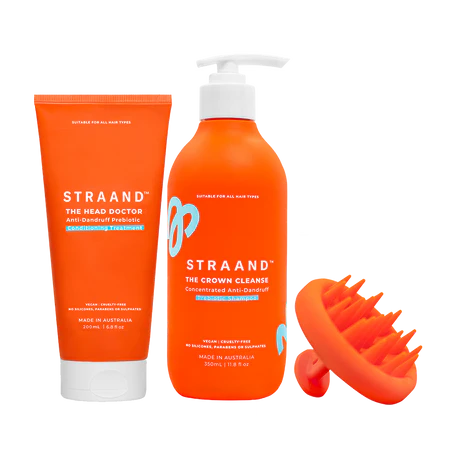
For decades, the focus of hair care has largely been on strands—how shiny, smooth, long, or voluminous they are. But recently, a new beauty movement has emerged that’s shifting the spotlight to the root of it all: the scalp. Just like we care for our facial skin with cleansers, exfoliants, and moisturizers, our scalp too requires attention and nourishment. Welcome to the world of scalp care—the new frontier in hair and beauty.
Why Scalp Care Matters
Your scalp is living skin, and healthy hair starts with a healthy scalp. It houses around 100,000 hair follicles and is responsible for nurturing the strands we work so hard to maintain. When the scalp is dry, oily, inflamed, or clogged with product buildup, it directly impacts hair growth, thickness, and overall health.
Neglecting your scalp can lead to problems like:
- Dandruff and flakiness
- Itching or inflammation
- Excessive oiliness or dryness
- Thinning hair or hair fall
- Slow hair growth
Just as you’d never ignore your face, it’s time to stop ignoring your scalp.
The Essentials of Scalp Care
1. Scalp Cleansing
Shampooing your scalp isn’t the same as just cleaning your hair. Focus on the roots while washing, massaging your scalp gently with your fingertips to remove sweat, oil, dead skin, and product residue. Avoid using your nails, which can scratch the skin and cause irritation.
Pro Tip: Use a clarifying shampoo once a week to deeply cleanse buildup, especially if you use styling products regularly.
2. Exfoliation
Yes, your scalp needs exfoliation too. Scalp scrubs help remove dead skin cells, clear out follicles, and stimulate blood flow. Exfoliating once every 7–10 days helps maintain a clean environment for new hair growth.
Look for physical or chemical exfoliants with ingredients like:
- Salicylic acid (great for dandruff)
- Sugar or charcoal (for gentle scrubbing)
- Tea tree oil (for its antimicrobial properties)
3. Scalp Moisturizing
Just like facial skin, your scalp can get dry. This is especially true in winter or if you have curly or coily hair. Scalp serums and oils, like argan oil, jojoba oil, and rosemary oil, help hydrate and soothe.
Massage a small amount into the scalp after washing—too much can clog pores.
4. Avoid Overwashing
Washing your hair too frequently can strip away natural oils, causing your scalp to overproduce oil in response. Most people do well washing 2–3 times per week, but this can vary based on your hair type, scalp condition, and lifestyle.
5. Watch What You Eat
What you put inside your body affects your scalp health too. Omega-3 fatty acids, zinc, and biotin are essential nutrients for scalp and hair. Drink plenty of water and avoid high-sugar or processed foods that can trigger inflammation.
Common Scalp Conditions to Watch
Understanding what’s happening on your scalp can help you treat it effectively.
- Dandruff: Often caused by overgrowth of yeast or dryness; treated with medicated shampoos.
- Psoriasis: Autoimmune condition leading to red, scaly patches—requires medical care.
- Seborrheic Dermatitis: Greasy, flaky scalp; often confused with dandruff.
- Folliculitis: Infection of hair follicles causing bumps or sores—can be bacterial or fungal.
If symptoms persist despite good care, consult a dermatologist.
The Role of Scalp Massage
Scalp massages aren’t just relaxing—they improve blood flow, help distribute natural oils, and may even support hair growth. Use your fingertips or a scalp massager for 5–10 minutes a few times a week. It’s a small habit with big benefits.
Trending Scalp Care Products
While you don’t need a hundred products, a few targeted ones can make a difference:
- Scalp serums with caffeine or peptides
- Pre-wash scalp oils
- Scalp exfoliators (scrubs or chemical-based)
- Cooling scalp tonics for hot weather
- Scalp brushes or massagers
Scalp Care for Different Hair Types
- Curly/Coily Hair: Scalp may need more moisture and less frequent washing.
- Straight/Fine Hair: Watch out for buildup; frequent gentle cleansing helps.
- Color-Treated Hair: Choose sulfate-free products and avoid harsh exfoliants.
- Oily Scalps: Use lightweight, non-comedogenic products and avoid heavy oils.