



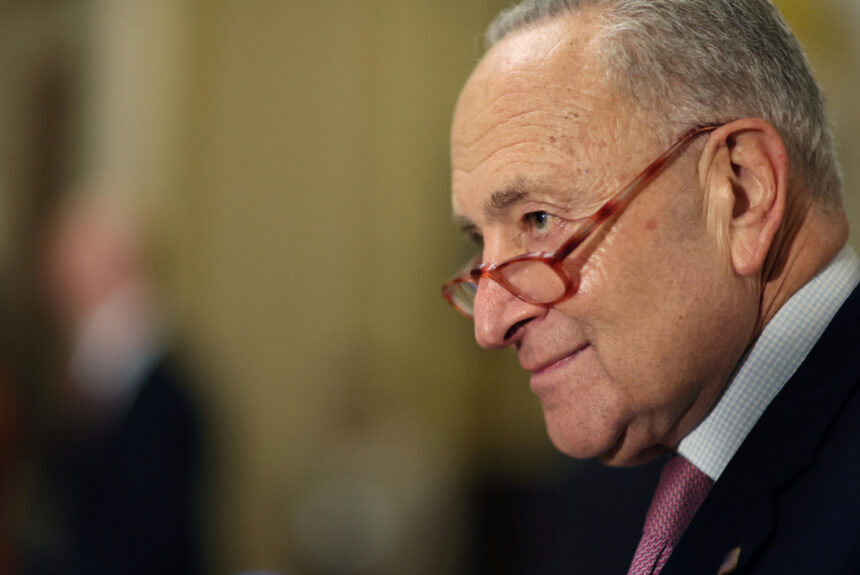
After six years, some U.S. lawmakers are heading back to China. It’s been a long time since a group from Congress made the trip, and a lot has happened in between. We’ve seen trade issues, a pandemic, that balloon incident, worries about Taiwan, and non-stop debates about which country will be the world leader. During all this, the U.S. and China haven’t talked much. Now, lawmakers from both parties want to get the conversation going again.
Why This Matters
You might be thinking, Why is this a big deal? Politicians travel all the time. But this trip is different. It’s been years since U.S. lawmakers last visited China, which says a lot about the lack of trust between the two countries. It’s not good when two of the world’s biggest powers stop talking to each other. When the U.S. and China aren’t talking, it affects everyone.
Who’s Going?
Rep. Adam Smith, a Democrat who knows a lot about defense, is leading the group. What’s cool is that Republicans are joining too. It’s a bipartisan trip. Even though Washington is divided, both sides know what’s at stake with China. The group will likely meet with Chinese officials, business people, and maybe even President Xi Jinping. That’s not confirmed yet, but if it happens, it would show China is open to talking.
U.S.–China Relations: It’s Complicated
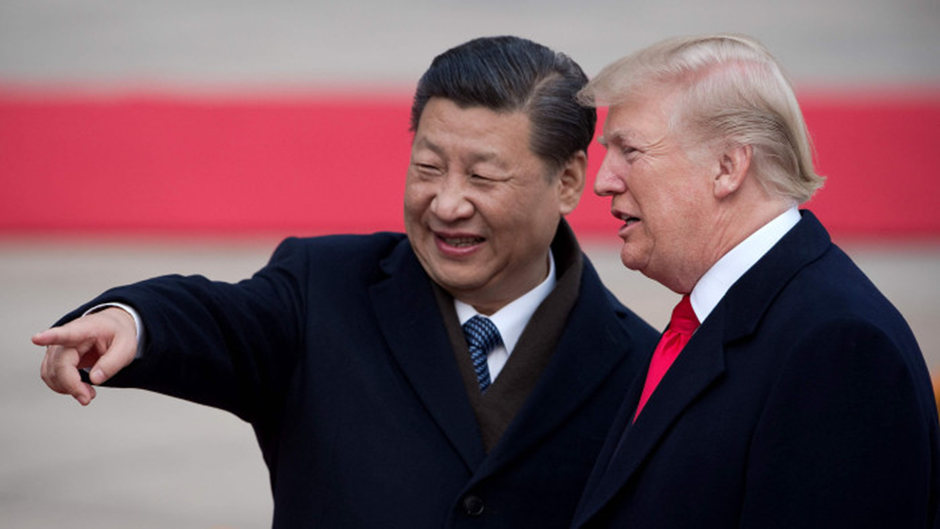
The U.S. and China are like roommates who need each other but can’t stop arguing. America needs Chinese factories, cheap goods, and stuff like rare earth materials. China needs the U.S. for high-tech stuff, markets, and investments. They’re stuck together. They can’t just break up. But trust? That’s gone. The last few years have been tough. The trade stuff made prices jump. The U.S. accused China of spying and stealing. China built up its military and showed it off in the South China Sea. Taiwan became a bigger problem, one that no one wants. That’s the situation a messy relationship that matters more than either country wants to admit.
Why Now?
Why now? Good question. Why start talking again? First, the global economy isn’t doing great. Inflation has hurt people in both countries. Energy costs are up, and supply chains are still a mess. The U.S. knows that if things get worse with China, the markets could crash. Second, there’s U.S. politics. With an election coming up, lawmakers want to show they’re keeping an eye on America’s main competitor. It’s not just about looking strong; it’s about showing voters they’re working hard. Then there’s security. China’s military is getting stronger, with more ships and planes near Taiwan. The risk of an accident is real. Talking might be the only way to keep things in check.
What Can We Expect?
Let’s be honest. This visit won’t fix everything. Taiwan will still be Taiwan. Trade taxes won’t just disappear. And human rights? That will still be a debate. But progress doesn’t have to be huge. Maybe the two sides will agree to keep talking about trade. Maybe they’ll set up hotlines between their militaries. Maybe they’ll just agree to meet again soon. Small steps are good in diplomacy.
The Truth
China doesn’t like being criticized about Hong Kong or Xinjiang. The U.S. doesn’t trust China’s trade or promises about cybersecurity. Both sides think the other is being unfair, but no one will admit it. So, expect smiles for the cameras, serious talks behind closed doors, and not a lot of change. That’s just how it is.
Why This Matters to You
You might be wondering why you should care about this. Here’s why: bad U.S.–China relations mean higher prices, farmers losing money, companies cutting jobs, and tech problems. Everyday life gets harder. When things improve, even a little, the opposite happens. Markets calm down, businesses invest, trade gets more steady, and families see the difference. That’s why this visit is about more than just politics. It’s about jobs and the economy.
The Bottom Line
This trip to China by U.S. lawmakers is more than just a photo op. It shows that even rivals need to talk. No one expects big changes. No one expects trust to come back quickly. But talking is better than being quiet. For the first time since 2019, Washington is sending lawmakers to China. Expectations are low, but the stakes are high. In a world that’s already got plenty of problems, even a little bit of talking between America and China could make a difference.