



Sometimes, big stuff happens quietly. No alerts, no big press events, just a feeling that things are changing. That’s what happened when China ended its antitrust case against Google. It seemed small at first, but the timing is what makes you think. It happened right when the U.S. and China started talking about trade again. Just luck? Maybe not.
For months, China had been looking at Google’s online ad business. The worry was the same as what people in the U.S. and Europe have said: Is Google too big? Is it blocking other companies? Is it pushing the market around too much? These fights usually mean fines or going to court. But this felt different, because when China goes after a big tech company, it’s often about power and politics, not just business.
Then, the case was dropped. No fines, nothing said. Just a statement that the check was done.
So, why did it stop?
Some people think it’s to calm things down a bit. The U.S. and China haven’t been getting along great because of tariffs and tech bans. Ending the Google case before trade talks could be China’s way of saying, Let’s try to work together a little.
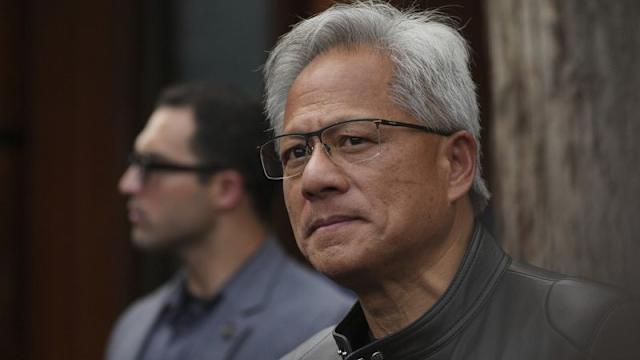
But this doesn’t mean China is going easy on tech. Google might be happy, but Nvidia is feeling pressure in China. China knows Nvidia’s chips help with AI. With the U.S. limiting what can be sold, that’s where the real issue is right now. The Google case might have been just for show, but the Nvidia deal is about keeping up. Letting one go and working on others shows what China cares about: the future of chips and AI.
For Google, it’s still a win. Yeah, its search engine has been kept out of China for a while. But Google still makes money there through ads and deals. The antitrust check had been a problem. Now that it’s gone, investors feel better. Google’s stock went up a bit. People like things to be calm, even if they won’t last.
Here’s what’s important: This isn’t just about Google. It’s about the tricky situation between the U.S. and China. They argue a lot. They put tariffs on each other and block companies. But they also need each other. American companies want access to China’s big market. Chinese companies need U.S. tech to do well. They can’t break away, even if they disagree on things. Small things, like dropping a case, are signs, not answers, but they still matter. They say, We’re still talking. Trust is the tricky part. The U.S. will say this proves that pressure is working. China will say it’s being fair. The real answer? It’s somewhere in the middle.
Some say not to read too much into it. Ending one case doesn’t fix the main issues about who controls AI and how things are protected. They’re right. But in world politics, even small moves matter.
Businesses are paying attention. When the U.S. and China fight, it changes things for everyone, even supply and prices. Whether it’s your phone or car, you feel it. When big countries argue, we all do.
For Google, it’s one less thing to worry about. For chipmakers, it’s a reminder that they could be next. And for people, there’s a little hope that things might get better. But that hope isn’t strong. While the Google case is done, the fight over chips and AI is just starting. The U.S. wants to slow down China’s AI advancement. China wants to keep moving forward.
So, here’s the bottom line. It seems like a small story: Google got out of a problem in China. Investors are happy. But the tension is still there, and it’s not going away. Tech isn’t just stuff now. It’s politics. It’s about who gets to make the rules later. Google might be okay right now, but the situation is tense.
That’s why this small thing matters more than it looks.