



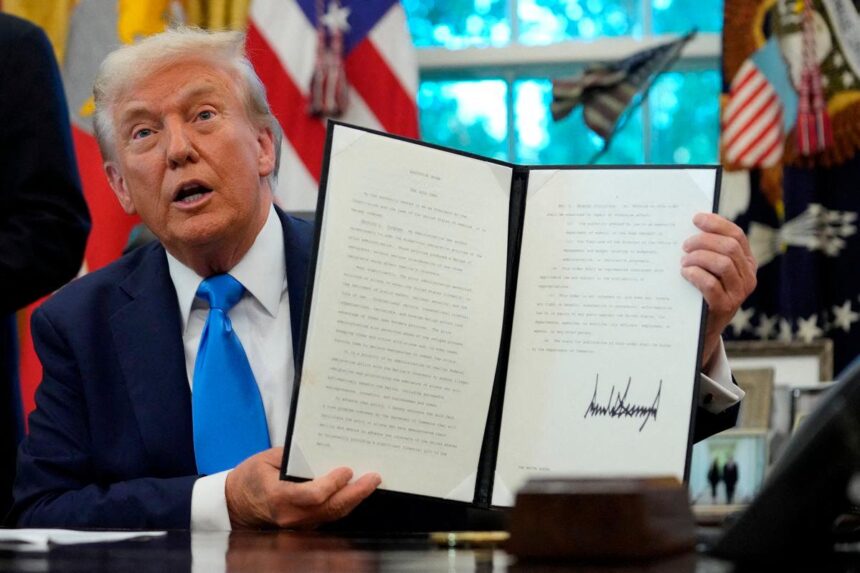
The H-1B visa is super important. A lot of Indian engineers see it as a way to land a good job in the U.S., and American companies use it to get the tech workers they need when they can’t find enough here at home. Now, the U.S. government might raise the cost of the H-1B visa, which could cause some tension between Silicon Valley and India. It’s not just about money.
A small fee increase might not seem like a big deal, but think about companies like Infosys and TCS. They apply for a ton of these visas every year. If each one costs thousands more, those costs add up to millions of dollars. Even for big companies, that’s a lot. Smaller companies that depend on H-1B workers might apply for fewer visas because of the added cost.
For years, Indian IT companies sent teams to the U.S. to manage projects, like bank software in New York or hospital systems in Chicago. They keep everything running smoothly. If visa fees go up, it might get too expensive to do this. Companies might do more work back in India, use more automation, or stop sending people to the U.S. That means fewer opportunities for workers to gain experience in the U.S. and move up in their careers.
So, what’s the deal? U.S. officials say they want to use the funds to improve the immigration process and prevent companies from taking advantage of the system. Some people think it’s just politics, and raising fees makes it harder for foreign workers (especially Indians, who get most of the H-1B visas). It might just give the appearance of putting Americans first, even if U.S. companies still need these skilled workers.
People in India are not happy, because this has happened before. When Trump was in office, Indian companies faced stricter rules and higher costs. They hired more Americans, used more automation, and looked to Europe and Asia. Now, with the economy slowing down, another fee increase feels unfair. Indian tech leaders see this as a reminder that relying too much on the U.S. is risky.
Imagine a young programmer in India who’s pumped to work with a U.S. client. They want to work in the U.S., send money home, and have a better life. But then, the company decides to keep them in India because of the cost. Their dream is put on hold, not because they’re not good enough, but because of these fees. For families who are counting on these opportunities, it feels like the rules are changing.
American companies are worried, too. They just need good people. A hospital in Texas doesn’t care where its IT team comes from as long as they keep patient data safe and the systems working. If H-1B costs go up and Indian companies charge more, American businesses (and regular people) might have to pay more. This could mean more costly services, which make things more difficult for companies to manage.
U.S. politicians want to protect American jobs, but there aren’t enough skilled workers here to do everything. Fields like cybersecurity and AI are in high demand. Without H-1B workers, things slow down. That’s why the program exists. Making fees higher might look good, but it could cause problems later on.
For India, this is a huge deal. The IT industry is worth a lot and employs a ton of people. It’s also one of the country’s biggest exports. If the U.S. keeps adding restrictions, Indian companies might focus on other markets, like Europe, Asia, and Africa. But the U.S. is still the most important market. Any problems there will be felt in India.
How bad will it get? If the fee goes up a bit, companies might just deal with it. If it goes up a lot, things could change. There could be layoffs, and companies might reorganize and use even more automation to save money. Some Indian companies might even buy U.S. companies to avoid the visa rules. Others might focus on remote work, serving U.S. clients from India instead of sending workers.
Right now, people are uncertain about what’s going to happen. Workers don’t know if they’ll get to go to the U.S. Companies don’t know how much to budget for visas. Families don’t know if their kids will have the careers they hoped for. You can see there are real people and real effects.
The H-1B is about more than just jobs and politics. It’s about trust between two countries that need each other. The U.S. needs skilled people, and India has them. It’s been helpful for both countries for years. But if the U.S. adds too many fees and restrictions, that could cause issues.
In the end, this isn’t just about a visa fee. It’s about the future of work. Will the U.S. stay open to talent from other countries, or will it close itself off to protect its own? And will Indian IT companies keep helping America’s tech world, or is the system that made that happen starting to break down?
Raising the H-1B fee is a test. It will show how well Indian IT firms can handle problems. It will show how much U.S. companies will tolerate before they complain. And it will show if politics will interfere with what makes sense. Right now, the future isn’t clear, and it feels uncertain for those linked to the H-1B.