



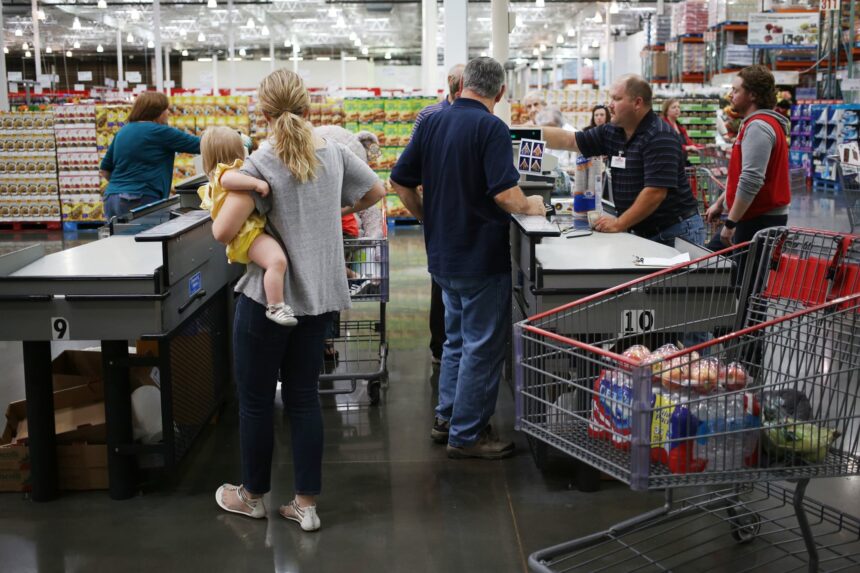
A University of Michigan survey shows that how people feel about the U.S. economy went down to 55.4 in early September, from 58.2 in August. This is the lowest it’s been since May, which means folks are getting more worried about money, jobs, and how business is doing.
This drop in confidence comes as Wall Street is doing great. But for many families, things aren’t so rosy. Higher prices, worries about taking out loans, and a shaky job market are making people nervous. The gap between the stock market and everyday families is getting wider, and this recent dip in confidence shows that many people are losing hope.
Experts say money issues are a big reason for the bad mood. The latest price check showed prices went up a bit in August, nudging yearly inflation up a little. While that’s way better than in 2022, it was still higher than expected, reminding us that inflation is still around. For people, that means things like food, housing, and daily needs are costing more, which makes them nervous about their financial future.
The job market is also part of the story. Job growth has slowed down a bit, and paychecks aren’t growing as fast as they used to. Joblessness is still pretty low, but the weaker job numbers have made people wonder how well we’re doing. People are asking: Will jobs stick around? Will our pay keep up with prices? These worries often pop up in surveys before they even make the news.
It’s interesting that the University of Michigan survey found that people with lower and middle incomes were the most bummed out, while those with higher incomes were doing okay. That makes sense, since money problems hit lower-income families harder because they spend more of their money on basic stuff. When the cost of groceries or gas goes up, it can really hurt families who are already struggling.
Zooming out, the economy and politics are also playing a role. Interest rates are still high, and even though many think the Federal Reserve will start cutting rates later this year, no one knows for sure when. The Fed is meeting soon, and what they say about money and growth could shift how people are feeling. Also, global events and issues in the energy world, like the recent strike in Ukraine that messed with Russian oil, are adding to the anxiety.
Lower consumer confidence has real results. Confidence is often linked to consumer spending, which is a big part of the U.S. economy. When people are unsure, they tend to spend less on non-essentials, like eating out, trips, or new gadgets. If confidence keeps dropping, it could drag down consumer spending, slowing down how well we’re doing.
But it’s not all doom and gloom. Money troubles have gone down a lot from their peaks in 2022, and borrowing costs could get better if the Fed does cut rates later this year. The stock market has also been doing well, which has helped retirement accounts and investments, giving some folks a bit of a cushion. But for now, these good things aren’t enough to make up for the everyday problems that many families are dealing with.
What happens next will depend on a few things. If money issues keep getting better and the Fed seems confident about the economy, confidence could bounce back in the coming months. But if prices stay high or people get more worried about jobs, families may get even more careful. Either way, the September drop is a sign that Americans are feeling the pinch, even though the markets seem more optimistic.
At the end of the day, consumer confidence isn’t about stock charts; it’s about real lives. It’s about the parent wondering how to pay for food, the young worker worried about their job, or the older person concerned about healthcare costs. And right now, their message is clear: hope is fading, and worry is rising.