



The doctors and nurses didn’t believe Tomisa Starr was having trouble breathing.
Two years ago, Starr, 61, of Sacramento, California, was in the hospital for a spike in her blood pressure. She has multiple chronic health problems, including heart failure, and uses an oxygen tank at home.
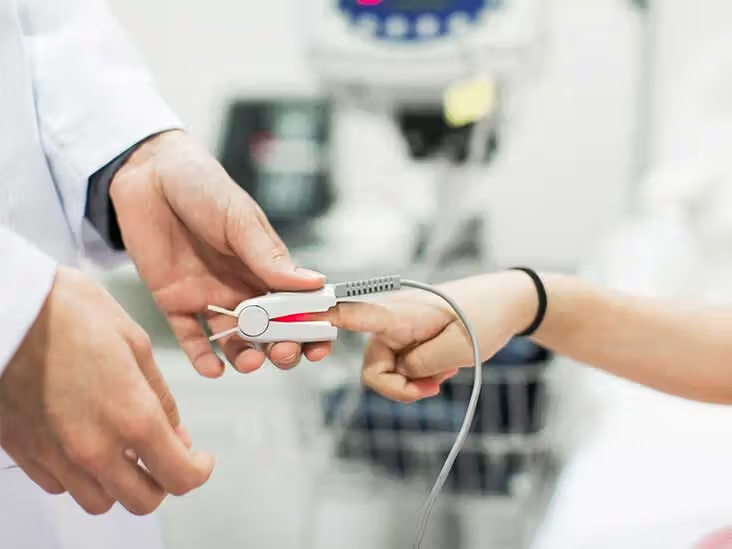
But her request for supplemental oxygen while hospitalized was denied, Starr said, because readings from a pulse oximeter on her finger falsely indicated that she was getting plenty of air on her own.
Starr, who is Black, said she told the care team about research showing that the devices, which measure oxygen levels in the blood, may not work as well on people with darker skin and potentially make those patients seem healthier than they really are.
Their response, Starr said, was shocking.
“The provider demanded to know, ‘Who told you that?’” she said. “Here I am in the hospital, and I have to defend myself, like I’m in court.”
The skepticism Starr said she faced from doctors about potentially false pulse oximeter readings in Black Americans is not unique.
“I give talks on this all the time to physicians who should know the research, and they’re always blown away,” said Dr. Hugh Cassiere, a critical care physician at South Shore University Hospital in New York. “This device has built-in racial disparities that have been ignored for years.” Cassiere also heads a committee of independent experts assembled by the FDA to look into the pulse oximetry issue.
Potential problems with the measurement devices have been known for decades. The FDA began to develop guidance for manufacturers to address the issues in 2013, but little has been done since.
It wasn’t until the pandemic that the real dangers to Black patients became clear. In 2021, the Food and Drug Administration warned about flawed pulse oximeter readings on darker skin.
Last week, the FDA issued draft guidance for manufacturers to drastically expand the skin tone varieties when testing their devices and show they work equally for all skin pigments.
Historically, companies haven’t been required to include a significant number of dark-skinned people in studies of pulse oximeters.
“Quite frankly, how we’ve measured it hasn’t been consistent or done in a very valid or systematic way,” the head of the FDA’s Center for Devices and Radiological Health, Dr. Michelle Tarver,
Cassiere expressed support for the new recommendations. “This is light years ahead of the 2013 guidance,” he said.
The Food and Drug Administration doesn’t approve or authorize all pulse oximeters on the market. Devices marketed for “general wellness” among hikers, cyclists or other athletes who might want to estimate their blood oxygenation, for example, aren’t regulated and should never be used to diagnose or monitor health problems, the FDA said.
Pulse oximeters specifically intended for medical use do fall under FDA purview. It’s these device manufacturers that the agency is targeting with its draft guidance.
How pulse oximeters work
The gold standard and most accurate way of testing whether a person has normal oxygen levels is to stick a needle into a person’s wrist and draw blood.
An arterial blood draw, as it’s called, is invasive and painful. But it also gives doctors an essential clue as to how well a patient’s lungs are functioning, providing insight into which patients should be hospitalized and receive supplemental oxygen or other treatment.