



The United States is facing an alarming increase in overdose deaths among young people due to synthetic opioids.
The rate of drug overdose deaths involving synthetic opioids, which include fentanyl and fentanyl analogs, increased more than 20-fold between 2013 and 2022, according to the US Centers for Disease Control and Prevention.
Overdoses and drug poisonings are now the third leading cause of death in people under age 20, behind firearms and motor vehicle crashes.
The overdose death counts among US youth ages 15 to 24 rose from 4,652 to 6,723 between 2018 and 2022, according to a new study in the journal Pediatrics. (A slight decrease occurred between 2021 and 2022.)
The largest increase was seen in deaths involving only synthetic opioids: Since 2020, fatal overdoses involving only these substances were higher than overdoses in which multiple substances were implicated. Overdose rates were nearly 2.5 times higher among male youths compared with female youths and more than two times higher among those ages 20 to 24 compared with those ages 15 to 19.
As a parent, I wanted to know more about synthetic opioids and their uses. Why are they so dangerous, and how are overdoses treated? How can people tell if the drugs they are taking contain synthetic opioids? Crucially, what can parents and other family members do to help reduce the risk of overdose?
Dr. Leana Wen: Prescription opioids are medications used to treat severe pain. They must be used with caution, however, because if they are used in higher than prescribed doses or otherwise incorrectly, they can result in drowsiness, slowed and shallow breathing, and even death.
Opioids can be classified by where they originate. So-called natural opioids are derived from the poppy plant and include drugs such as morphine and codeine. Semisynthetic opioids include oxycodone and hydrocodone. Synthetic opioids are made in the laboratory.
The synthetic opioid most implicated in fatal overdoses is fentanyl, according to the National Institute on Drug Abuse. There are other synthetic opioids too, such as tramadol and methadone. Methadone is also used as a treatment for people with opioid use disorder. Notably, the CDC’s statistics and the new study in Pediatrics do not include methadone in their calculation of fatal overdoses due to synthetic opioids. The majority of synthetic overdose deaths in the US involve fentanyl or fentanyl derivatives.
The current trend of youth overdoses is probably not mostly due to fentanyl being diverted from legitimate medical purposes. In recent years, there has been a significant problem with fentanyl being made in illegal labs.
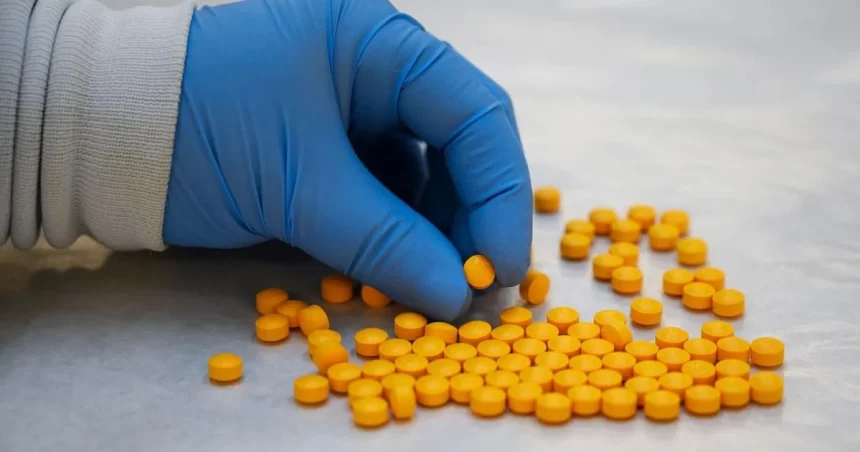
Synthetic fentanyl is sold illegally as a powder dropped onto blotter paper, put in eyedroppers and nasal sprays or, perhaps most terrifyingly, as pills that resemble other prescription pills, according to the National Institute on Drug Abuse.