



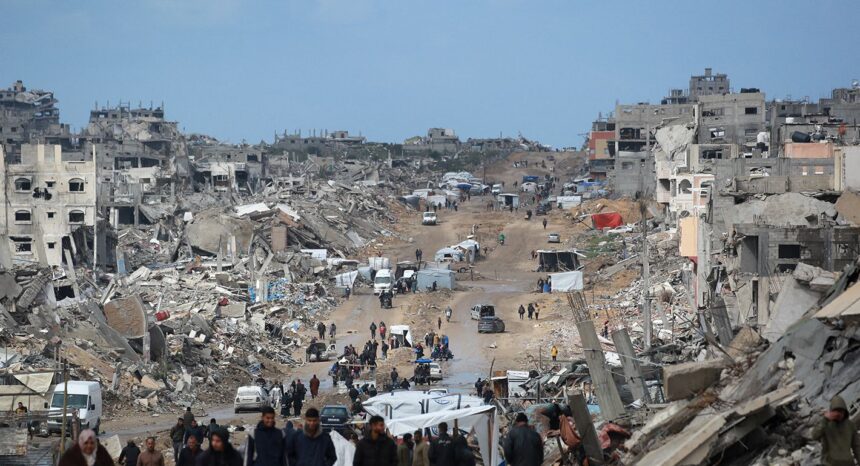
The U.S. finds itself in a tough spot as tensions increase in the Middle East. It’s trying to keep the peace, worrying about security, and dealing with shifting loyalties. Just this week, Secretary of State Marco Rubio visited Israel after Israeli airstrikes in Qatar targeted Hamas leaders. People died, and the political reaction was intense, with everyone exchanging angry words. Washington needs to carefully balance its long-standing friendship with Israel and its important relationship with Qatar.
U.S. Foreign Policy in a Difficult Position Rubio’s visit shows how serious things are. Israel says it’s okay to target Hamas leaders who are working in other countries, but the strike inside Qatar has made things worse. Qatar, which hosts U.S. military bases and acts as a go-between with groups like Hamas and the Taliban, says the strikes violated its territory.
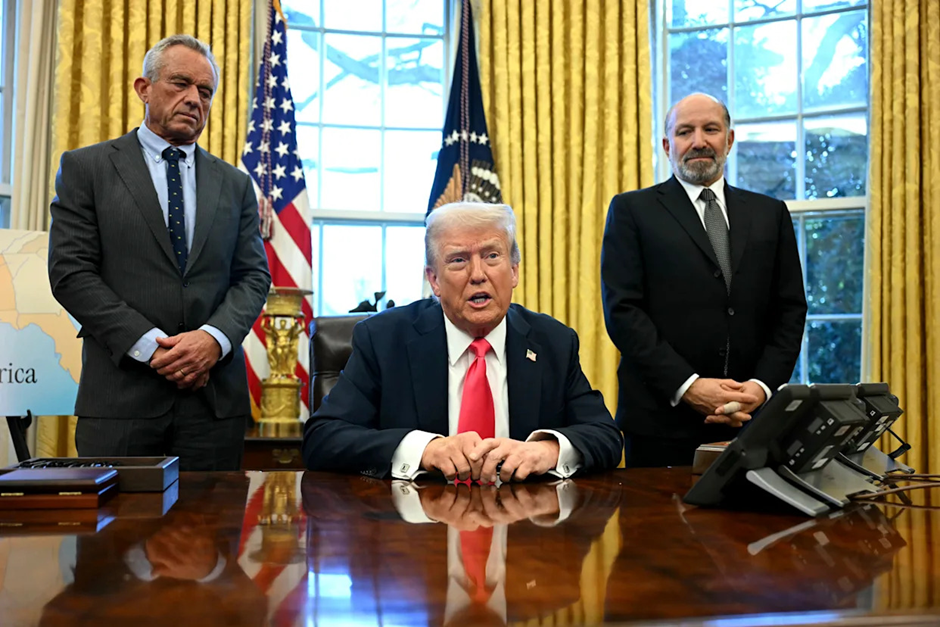
This is a difficult situation for Washington. The U.S. wants to keep Israel safe and has always supported its right to go after groups it views as terrorists. But Qatar is very important in U.S. efforts to fight terrorism, negotiate releases, and handle talks in the area. Working with both is key, but the airstrikes have made things complicated.
Rubio’s Goal: Calm Things Down
While there, Rubio will probably try to get Israeli Prime Minister Benjamin Netanyahu to promise that strikes outside of Gaza and the West Bank won’t go too far. At the same time, U.S. officials are trying to reassure Qatari leaders that Washington still wants to work with them. The Trump administration is making it clear that while the U.S. values its relationship with Israel, it also knows Qatar is important for keeping the Gulf stable. Diplomacy experts say this could be one of Rubio’s hardest jobs yet. If the U.S. seems to favor one side too much, it could hurt its image in the region. With tensions already high, even careful statements could have negative results that affect more than just Israel and Qatar.
The Region Feels the Impact
The strikes have had an impact all over the Middle East. Hamas is using the incident to gain support, saying the attack proves Israel doesn’t care about international rules. In Gaza, this idea is making people more anti-Israel and reinforcing extreme views. Other countries in the region, like Egypt and Jordan, have voiced worry, calling for calm and warning that rising tensions could destabilize neighboring countries. Iran is also involved, as it has long supported Hamas and other groups against Israel. Iran might see this as a chance to get more influence among Gulf countries that feel ignored by U.S. policy. If Washington, Israel, and Qatar seem to disagree, it could give Iran more power in the region.
What the U.S. Needs to Do
For Washington, this situation is about more than just the Middle East. America’s image as a global peacemaker is at risk. If the U.S. can’t handle its relationships with Israel and Qatar, other countries might doubt its ability to deal with difficult situations. Also, with global oil markets already unstable, problems in the Gulf could affect energy prices worldwide, adding more pressure to the political issues. Back home, this is also a political issue. With national elections coming up in 2026, both Republicans and Democrats are watching closely how the Trump administration deals with this. People in the U.S. still strongly support Israel, but there’s a growing debate about whether that support should be automatic. Dealing with that debate at home while handling complex situations abroad makes things even harder.
What’s Next? As Rubio continues his trip, the U.S. is facing a big challenge. The administration wants to stop things from getting worse, protect important partnerships, and keep its role as a key player in Middle East talks. It’s a tough path, where one mistake could make things worse, while successful peacemaking could increase Washington’s influence in a region that always seems to have problems. The Middle East has always been hard for U.S. diplomats. This latest problem shows that the region is as unstable as ever and that America’s role, while still important, needs constant adjustments. Right now, the world is watching to see if the U.S. can reduce tensions or if they will lead to something even more dangerous.